
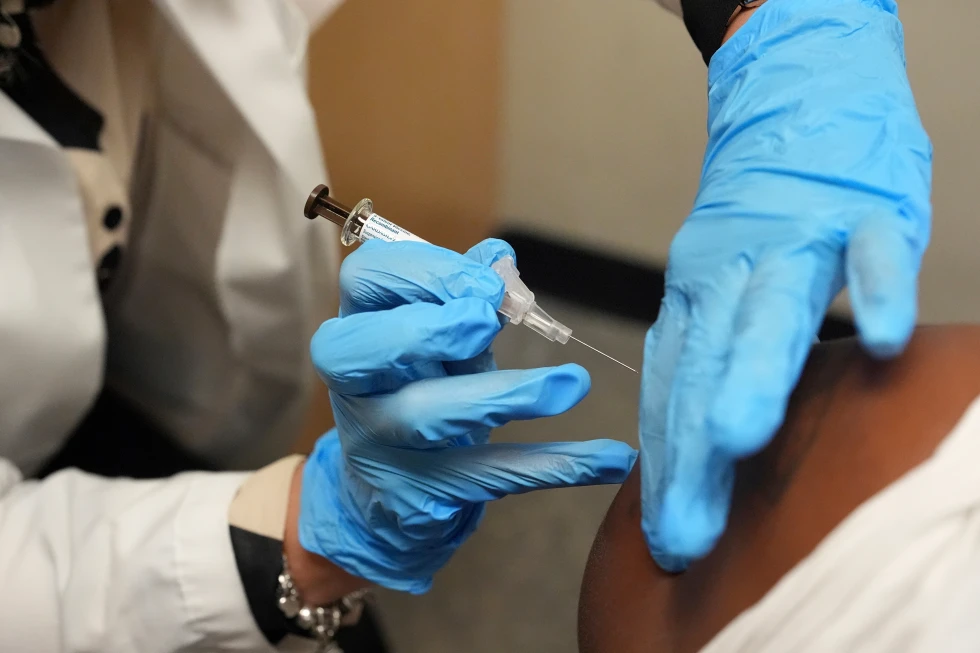
Preteens may soon have something to celebrate: Medical experts are discussing the possibility that one dose of a life-saving cancer vaccine, instead of two, may be enough to protect them.
U.S. vaccination recommendations have become splintered in the past year, with federal officials and doctors’ organizations disagreeing over guidance and even battling each other in court. But both sides have been exploring revisions in longstanding HPV vaccine recommendations.
“This would be a significant shift in terms of what has been communicated for many years about the best way to protect adolescents against HPV,” said Jason Schwartz, a Yale University vaccine policy researcher.
Here’s a look at HPV shots, which debuted 20 years ago and may now be approaching a crossroads.
HPV is linked to thousands of cancer cases
HPV, human papillomavirus, is the most common sexually transmitted infection in the U.S.
More than 40 HPV types can infect the genital areas of men and women, plus the lining of the mouth and throat. Certain strains are responsible for most cases of genital warts.
HPV also is a leading cause of the nearly 50,000 cancer cases diagnosed in the U.S. each year that affect those parts of the body. Indeed, about 90% of cervical cancer and anal cancers are attributed to HPV infections, according to the Centers for Disease Control and Prevention.
In 2006, federal health officials approved the first HPV vaccine, Merck & Co.’s Gardasil. A second vaccine was approved in 2009, GlaxoSmithKline’s Cervarix.
Both vaccines are approved for use in males and females, available for kids as young as 9 to adults in their 20s. But they were prioritized for 11- and 12-year-olds, because the shots work best if given before someone is sexually active.