
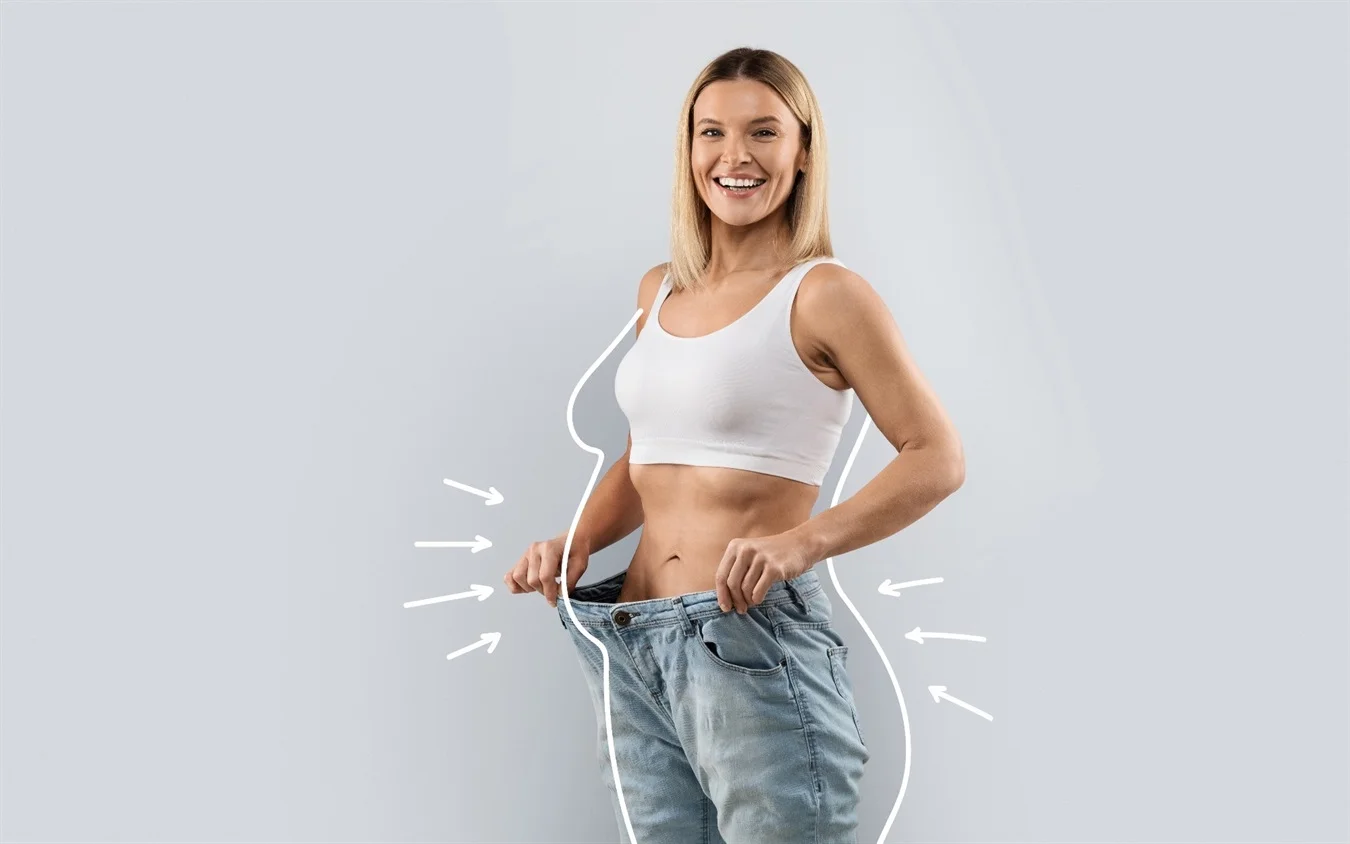
In a recent study published in the Journal of Diabetes and Its Complications, researchers assessed the real-world effectiveness (RWE) of tirzepatide on body composition, metabolic outcomes, and body weight in adults with overweight or obesity.
Why body composition matters in obesity treatment
Obesity is a substantial public health burden, affecting one in eight people globally. Lifestyle interventions, such as greater physical activity and caloric restriction, are central to obesity management. Yet, these approaches often have limited long-term adherence, leading to weight regain.
Tirzepatide is a dual glucose-dependent insulinotropic polypeptide (GIP) and glucagon-like peptide-1 (GLP-1) receptor agonist. It can substantially reduce weight and improve metabolic outcomes. Despite the emphasis on body composition as an outcome in obesity treatment, real-world evidence on tirzepatide’s impact on body composition is limited.
How researchers tracked weight and body composition in real-world care
In this study, researchers examined RWE on tirzepatide’s effects on body composition, metabolic outcomes, and body weight in overweight or obese adults. Participants were adults treated at two centers in Palermo, Italy, with overweight (body mass index [BMI] ≥ 27 kg/m²) or obesity (BMI ≥ 30 kg/m²), at least one related comorbidity (prediabetes, hypertension, obstructive sleep apnea, dyslipidemia, or cardiovascular disease), and without type 2 diabetes.
Patients who became pregnant during follow-up and those who used GLP-1 receptor agonists in the past three months were excluded. Participants initiated tirzepatide at 2.5 mg once weekly, which was increased to 5 mg after 4 weeks, and followed a low-carbohydrate diet with no prescribed caloric restriction for 24 weeks. They also engaged in tailored physical activity; non-comorbid individuals under 50 years were advised to perform aerobic and resistance training.
Study participants 50 years and older or with comorbidities were encouraged to complete at least 150 minutes of moderate-intensity aerobic activity weekly. Clinical, body composition, laboratory, and anthropometric measurements were obtained at baseline, week 12, and week 24. Anthropometric measures included BMI, body weight, waist-to-height ratio (WtHR), and waist circumference (WC), whereas bioelectrical impedance analysis was used to estimate skeletal muscle mass (SMM), fat-free mass (FFM), and fat mass (FM).
Fasting plasma glucose (FPG) and fasting insulin levels were measured, in addition to insulin resistance values based on the homeostatic model assessment (HOMA-IR). The study’s primary outcome was the change in body weight after 24 weeks compared to baseline. Secondary outcomes included changes in WC, BMI, metabolic markers, and body composition.
Tirzepatide users lose more fat while preserving skeletal muscle.
The study included 122 obese or overweight adults with a mean age of 44 years. Most participants were female (79.5%), obese (78%), and non-smokers (93%). About 15% of participants had dyslipidemia, 19% had hypertension, 15.6% had prediabetes, and 4% had obstructive sleep apnea. All anthropometric measures significantly decreased at 12 and 24 weeks as compared to baseline.