
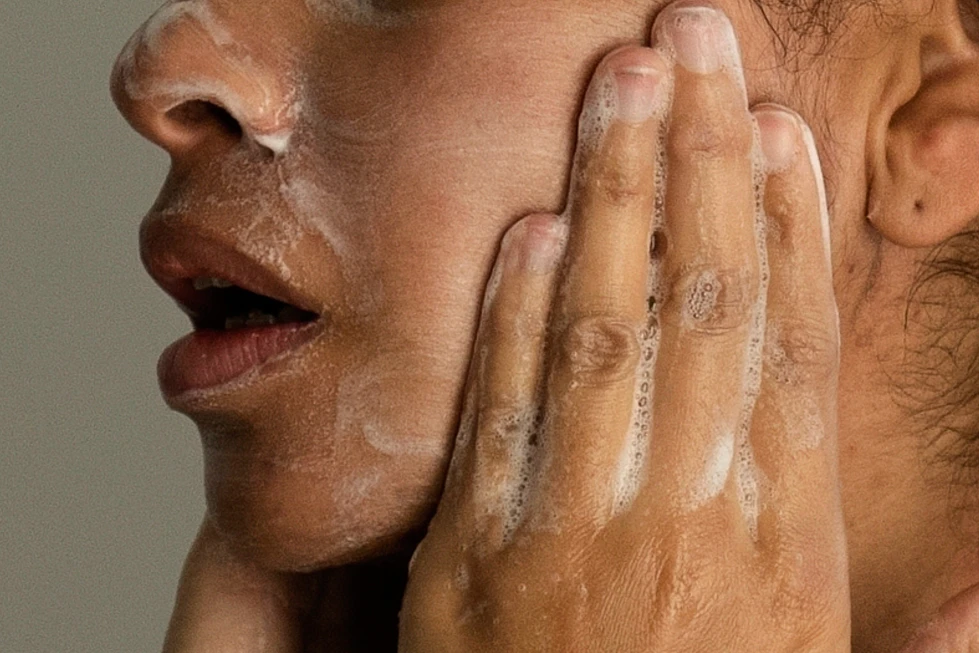
As a teenager, Gillian Maegan Montalbo’s pimples weren’t too bad — just a few bumps on her forehead and nose.
But as an adult in the workforce, the breakouts returned and intensified. The acne on her cheeks and chin made her hesitant to look her bosses in the eye.
“It really took a toll on my self-esteem and my self-confidence,” said Montalbo, a marketer and content creator who lives in the Philippines.
Pimples and acne are an uncomfortable hallmark of teenage years, but adults can have breakouts too. Acne can also happen on other parts of the body like the chest and shoulders. And then there’s bacne, the internet’s term for back breakouts.
The best treatments vary from person to person depending on what’s causing the acne and how it looks. And breakouts can leave behind dark marks and scars that take even longer to heal.
Pimples come and go, but if breakouts stick around and cause discoloration or changes in skin texture, it’s a good idea to see a dermatologist.
“We know how to treat acne. We know the cause of it. So don’t suffer alone,” said Dr. Crystal Aguh, a dermatologist and director of the Ethnic Skin Program at Johns Hopkins School of Medicine.
The causes of acne can vary
Teenage acne tends to affect the forehead, nose and cheeks. Older adults and women in particular can experience hormonal acne that pops up along the jawline and chin, Aguh said. Taking steroids can also trigger acne for some people.
Pimples happen when tiny pores in the skin get clogged by oil, bacteria and dead skin cells. They can fade over the course of weeks to months, but if patches persist and spread, it could be a sign of acne, which dermatologists consider a medical condition.
“Essentially, you’re not getting a break from a breakout,” Aguh said.
Acne is caused by many factors including genetics, hormones, environment and even diet — like eating excessive amounts of dairy. The causes of facial and body acne are similar, although skin bacteria sometimes plays a larger role in body acne.
Breakouts can look like milder, painless white bumps or dark specks known as whiteheads and blackheads, or more painful red bumps and deeper cysts — a mark of cystic acne.
There are OTC and prescription treatments for acne
Don’t pick or pop your pimples, no matter how strong the urge or how satisfying it might be.
“Everyone wants to pick and squeeze. That will almost always make things worse,” said Dr. Lauren Fine, founder of Fine Dermatology in Chicago.