
2026 is the year fashion trades quiet luxury for expressive maximalism, and styling does the heavy lifting. Expect Glamoratti glamour, updated tailoring, proportion shifts, texturemaxxing, checks, sportif separates, teal and Cloud Dancer accents, and standout accessories. The one move worth making now: pick a single statement piece, a bold coat, a beaded necklace, a pair of PVC flats, and learn to style it three different ways with what you already own.
TL;DR:
- Investing in a statement coat or sculptural blazer provides long-lasting impact, as these pieces are key to updating your 2026 wardrobe.
- Sharp tailoring and texturemaxxing are central trends, best incorporated through accessories and styling instead of full wardrobe overhauls.
- Maximalist patterns, bold accessories, and contrasting proportions enable modernized outfits without excessive new purchases.
- Embracing vintage and secondhand markets supports sustainable fashion while enabling bold, textured, and patterned styling.
- Tech-enhanced fabrics and digital fashion are increasingly influencing how and what style choices are made in 2026.
Table of Contents
- Fashion Trends 2026: The Top 8 To Know
- How To Wear 2026’s Trends Without Overhauling Your Closet
- What To Buy Now: Investment Pieces And Affordable Swaps
- The Runway Evidence Behind The 2026 Forecast
- Sustainability And Ethical Considerations Shaping 2026 Style
- Emerging Designers And Influencers Driving 2026’s Direction
- How Technology Is Reshaping What We Wear In 2026
- Which 2026 Trends Are Worth Committing To
- Sources
Fashion Trends 2026: The Top 8 To Know
The dominant story this year is a pivot away from muted, algorithm-friendly minimalism toward something louder and more personal. Trend analysts describe the shift as a move from quiet luxury toward “anti-algorithm dressing”, where bold self-expression matters more than blending in. Here’s what’s actually driving that shift on the runway and in the street.
- Maximalism, or “Glamoratti.” Think power shoulders, gold hardware, and unapologetic glamour drawn from 1980s excess. Marie Claire’s trend coverage points to rising engagement around Glamoratti content, a sign this isn’t a niche runway moment but a genuine mood shift.
- Updated Lady tailoring. Sharp blazers and structured suiting are back, but softened with cropped hems or unexpected fabrics. Vogue’s Fall 2026 runway roundup calls out Updated Lady tailoring alongside Art Deco eveningwear as two of the season’s clearest directions.
- Proportion shifts. Cropped jackets over voluminous, balloon-shaped trousers create the scale contrast that’s defining silhouettes this year. It’s a subtle but effective way to modernize a closet without buying a single new category of clothing.
- Texturemaxxing and embellishment. Layered textures, sequins, fringe, and raised fabrics are showing up everywhere. Who What Wear’s Fall/Winter 2026 trend list names texturemaxxing directly as one of 17 defining trends of the season.
- Prints galore. Checks and animal prints dominate, often clashed together rather than kept separate. This is maximalism applied to pattern, not just silhouette.
- Sportif separates. Sport-inspired pieces, track pants, zip jackets, ribbed knits, are being styled with dressier pieces rather than worn as full athletic looks.
- Transformative Teal and Cloud Dancer. Pantone named Cloud Dancer (11-4201) its 2026 color of the year, a soft off-white with staying power across seasons, while trend data flags teal as a strong secondary signal worth watching.
- Statement accessories. Cascading beaded jewelry, glossy PVC shoes, and oversized printed scarves are carrying entire outfits this year, often doing more visual work than the clothing underneath.
How To Wear 2026’s Trends Without Overhauling Your Closet
You don’t need eight new categories of clothing to look current in 2026. You need three or four smart moves, repeated across what you already own.
- Balance one loud element with two quiet ones. If you’re wearing a beaded statement necklace, keep the rest of the outfit simple: a plain sweater, straight trousers. Maximalism reads as intentional when it’s not competing with itself.
- Use scale contrast to modernize tailoring. Pair a cropped blazer with wide balloon trousers, or a fitted top under an oversized coat. British Vogue’s Autumn/Winter 2026 breakdown points to this kind of contrast, slim against voluminous, as one of the season’s core styling techniques.
- Enter color trends through accessories first. A teal scarf or a Cloud Dancer bag is a lower-commitment way to test a color than a full coat. If it grows on you, invest further next season.
If you’re working with a tighter budget or a more conservative comfort level, look for a subtle nod rather than the full statement. Swap a sequined jacket for a top with a metallic thread. Swap PVC boots for a patent leather flat with similar shine.
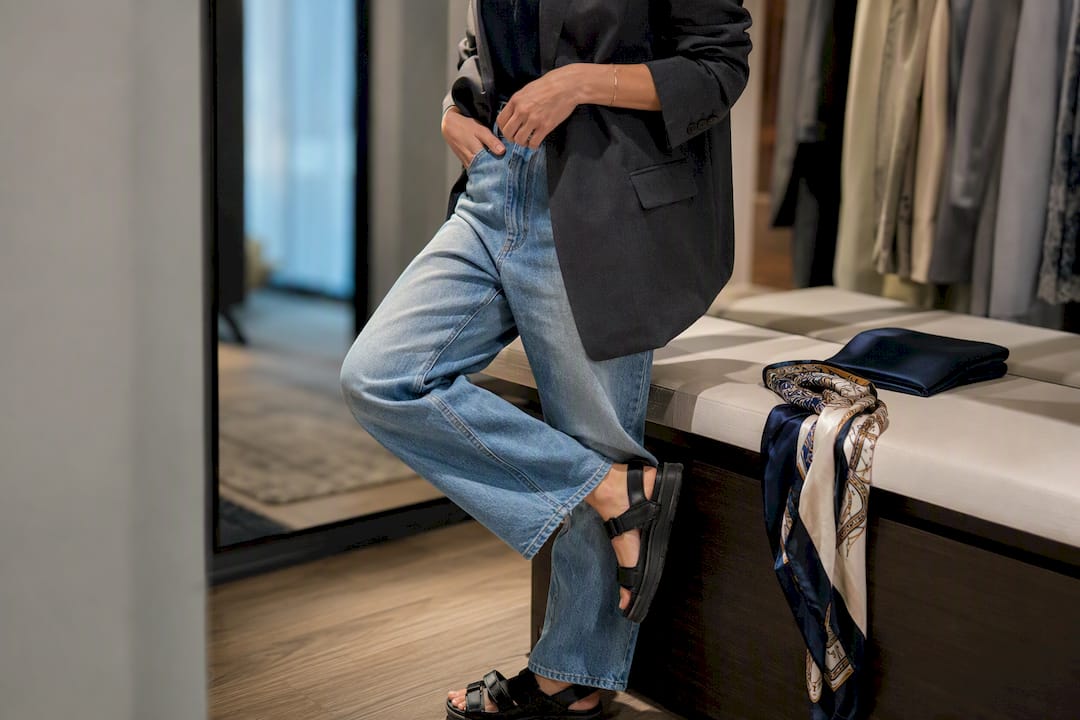
Pro Tip: Beat the “algorithm dressing” trap by pairing pieces that don’t usually appear together, a tailored blazer with sport sandals, a printed scarf with denim, instead of copying a single influencer’s outfit exactly. Unexpected pairings read as personal style, not a repeat of what everyone else bought.
What To Buy Now: Investment Pieces And Affordable Swaps
Not every 2026 trend needs a full-price investment. Some items earn a splurge because you’ll wear them for years; others are fine as a one-season, lower-cost test.
- Statement coat or outerwear. This is the piece worth spending on. Editors consistently point to a standout coat as the best value purchase for updating a wardrobe toward 2026’s direction, since it touches every outfit built around it.
- Sculptural blazer. Look for structured shoulders and a slightly cropped length. High-street versions in wool blends hold their shape almost as well as pricier options.
- Balloon trousers. Try a budget pair first in a stable fabric like cotton twill; the silhouette is bold enough that fit matters more than fabric weight.
- Beaded jewelry. A single statement necklace or a cluster of bracelets works at nearly any price point, since costume pieces read just as well in photos as fine jewelry.
- PVC or novelty shoes. Start with a flat or low heel rather than a boot, since it’s more versatile and less of a financial risk if the trend fades.
- Printed scarf. Checks or animal print in a lightweight fabric doubles as a neck accessory, a bag charm, or even a belt.
Prioritize natural fibers and structured tailoring for the pieces meant to last, and save synthetic, trend-forward fabrics for the lower-cost items you’re comfortable retiring after a season.
The Runway Evidence Behind The 2026 Forecast
Spring/Summer and Fall/Winter 2026 collections both point the same direction. Vogue’s Fall 2026 coverage highlights Updated Lady tailoring and texture-forward eveningwear across major houses, while Marie Claire’s trend roundup tracks the search and engagement spikes behind Glamoratti’s rise. Forecaster signals reinforce it: Pantone’s Cloud Dancer pick and rising interest in teal both echo what’s showing up on the runway. Cross-referencing these threads is what pulled this list together, favoring trends confirmed by both catwalk and consumer data over single-season one-offs.
Sustainability And Ethical Considerations Shaping 2026 Style
Maximalism doesn’t have to mean overconsumption. Marie Claire’s analysis of the trend shift frames 2026’s boldness as stylistic rather than purely acquisitive, meaning the look comes from how you combine pieces, not how many new ones you buy. That distinction matters for anyone trying to update a wardrobe responsibly this year.
The most sustainable way into these trends is building around versatile anchors: one great coat, one sharp blazer, then rotating accessories and styling around them. Secondhand and resale platforms are particularly well suited to Glamoratti-era pieces, since 1980s-inspired silhouettes and beaded costume jewelry show up frequently in vintage shops and consignment racks. Buying a genuinely well-made tailored piece and wearing it for several seasons does more for your footprint than chasing every microtrend that surfaces on social feeds.
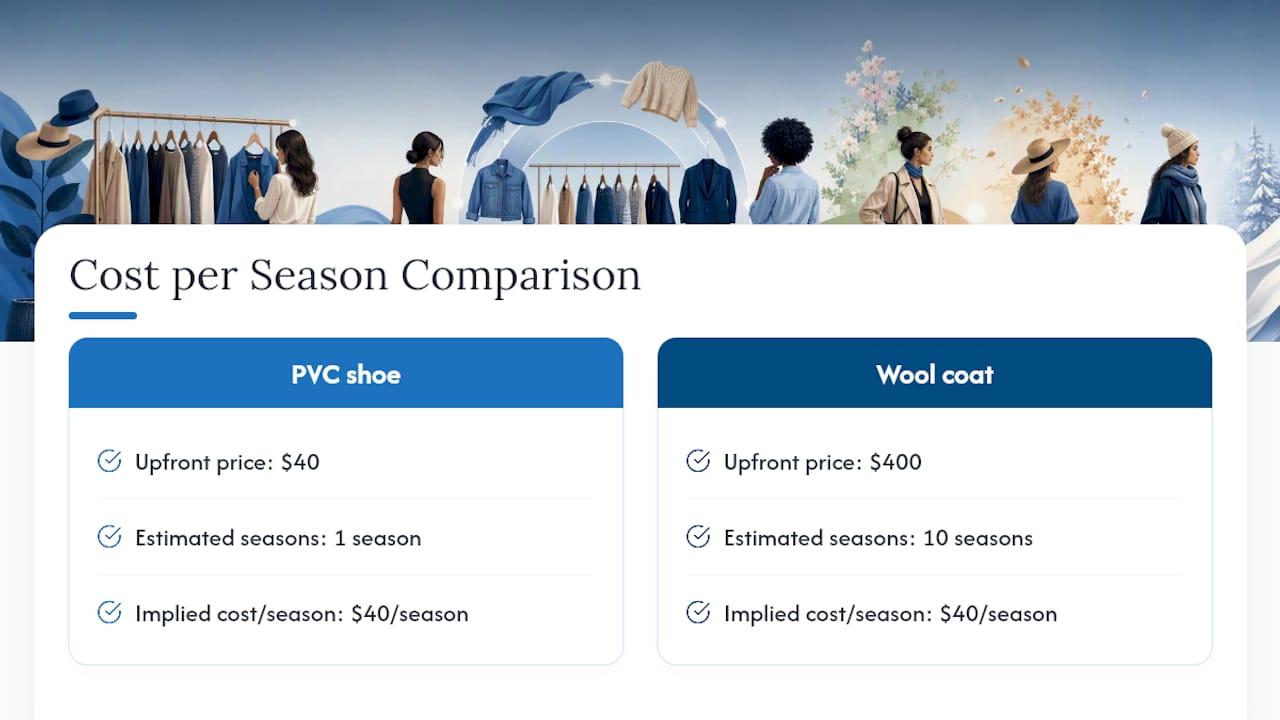
Brands leaning into transparent sourcing and durable construction are also gaining more attention this year, as shoppers weigh a piece’s cost-per-wear against its upfront price. A $40 PVC shoe worn for one season carries a different calculus than a $400 wool coat worn for ten winters. Thinking in those terms, rather than in trend cycles alone, is the most practical sustainability move available to most closets right now.
Emerging Designers And Influencers Driving 2026’s Direction
The maximalism wave isn’t only coming from legacy houses. Independent and emerging labels are pushing texturemaxxing and print-clashing further and faster than many established brands, partly because smaller labels can pivot collections faster than a house with decades of signature codes to protect. That speed is part of why trends like Glamoratti moved from niche runway moment to mainstream search spike so quickly.
Social platforms are compressing the runway-to-street timeline further. A single standout look from a smaller show can circulate widely within days, reshaping what shoppers ask for at mass retailers before the original collection even ships. Stylists and content creators focused on maximal, personality-driven outfits, rather than polished minimalism, are also shaping which trends stick. Their influence explains why “anti-algorithm dressing” resonates: it’s a reaction against the sameness that heavily optimized feeds tend to produce, and it rewards individual styling choices over formulaic outfit templates.
How Technology Is Reshaping What We Wear In 2026
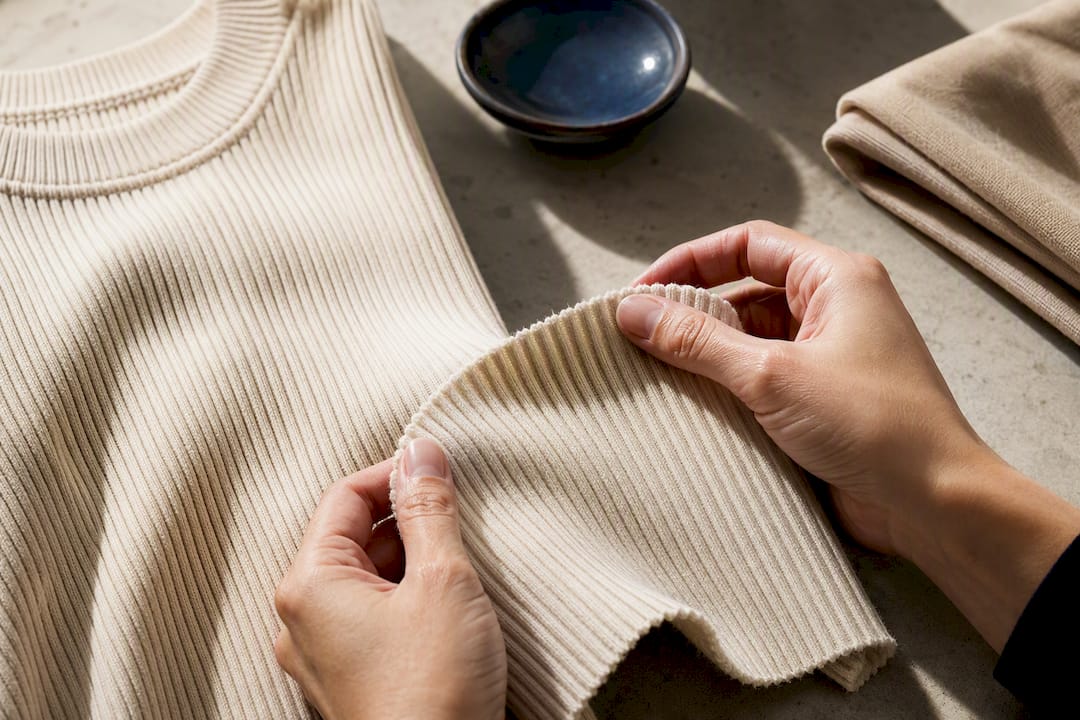
Smart textiles are moving from concept to closet. Fabrics with built-in temperature regulation, moisture control, or embedded lighting are showing up more often in both performance wear and eveningwear, feeding directly into 2026’s sportif-meets-glamour mashups. A ribbed knit built with tech-enhanced fibers can now double as both a base layer and a going-out top.
Digital fashion, virtual garments designed for online avatars, social platforms, or gaming, continues to grow as a parallel track to physical clothing. It’s influencing real-world design too: some of the boldest print-clashing and texture experiments trace back to ideas first tested digitally, where there’s no fabric cost to prototyping something wild. Retailers are also leaning on AI-driven trend tracking to spot which runway details are generating real search interest versus which are getting ignored, which is part of why forecasts like Pantone’s color picks and Pinterest’s trend data now carry as much weight as runway shows themselves.
Which 2026 Trends Are Worth Committing To
Commit to tailoring and one statement outerwear piece. Both hold their shape past a single season, and editors consistently point to a standout coat and sharp blazer as the best value moves for 2026. Sample everything else, texturemaxxing, checks, PVC shoes, through accessories rather than full outfits. That’s how you minimize waste while still looking current: fewer big purchases, more creative styling around a few durable anchors. If you want more curated takes on what’s actually worth your attention, look to platforms that pull together trend, culture, and news stories worth reading this week.
— Igor
Sources
- The Top 2026 Fashion Trends Taking Shape in Real Time | Marie Claire
- The Fall 2026 Fashion Trends to Know and Shop Now | Vogue
- 17 Autumn/Winter 2026 Trends That Will Define Style This Season | Who What Wear
- Pantone’s 2026 Color of the Year Is ‘Cloud Dancer’ – The New York Times